Lifestyle
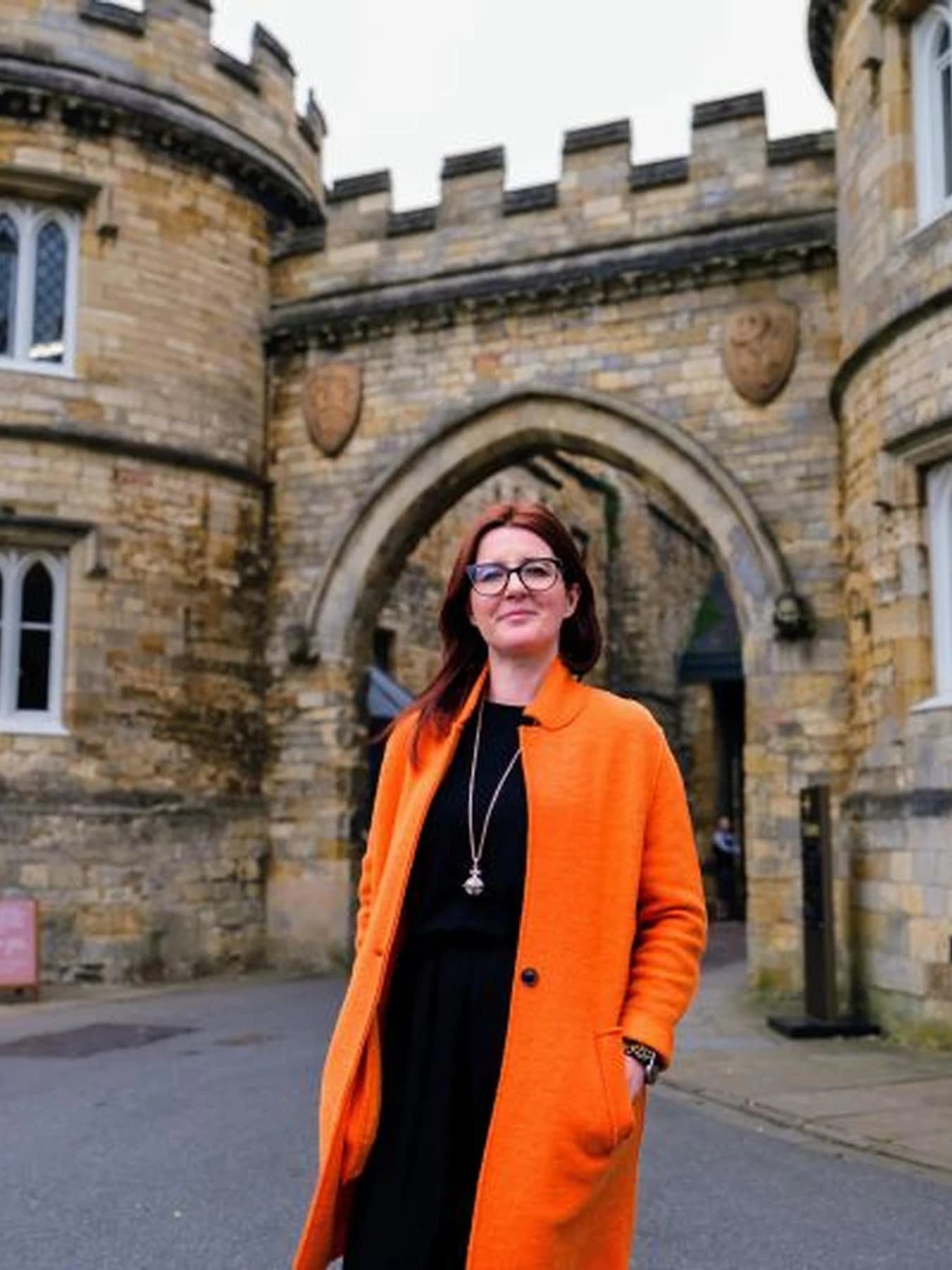
Third in the Pillars of Lincoln series, we pose 10 questions to Kimberley Vickers, Site Manager of Lincoln Castle. Kimberley joined Lincolnshire's Heritage Service in 2004 and came to the castle in 2008, where she led the visitor experience and buildings and grounds teams through the planning and delivery of the £22 million Lincoln Castle Revealed project.
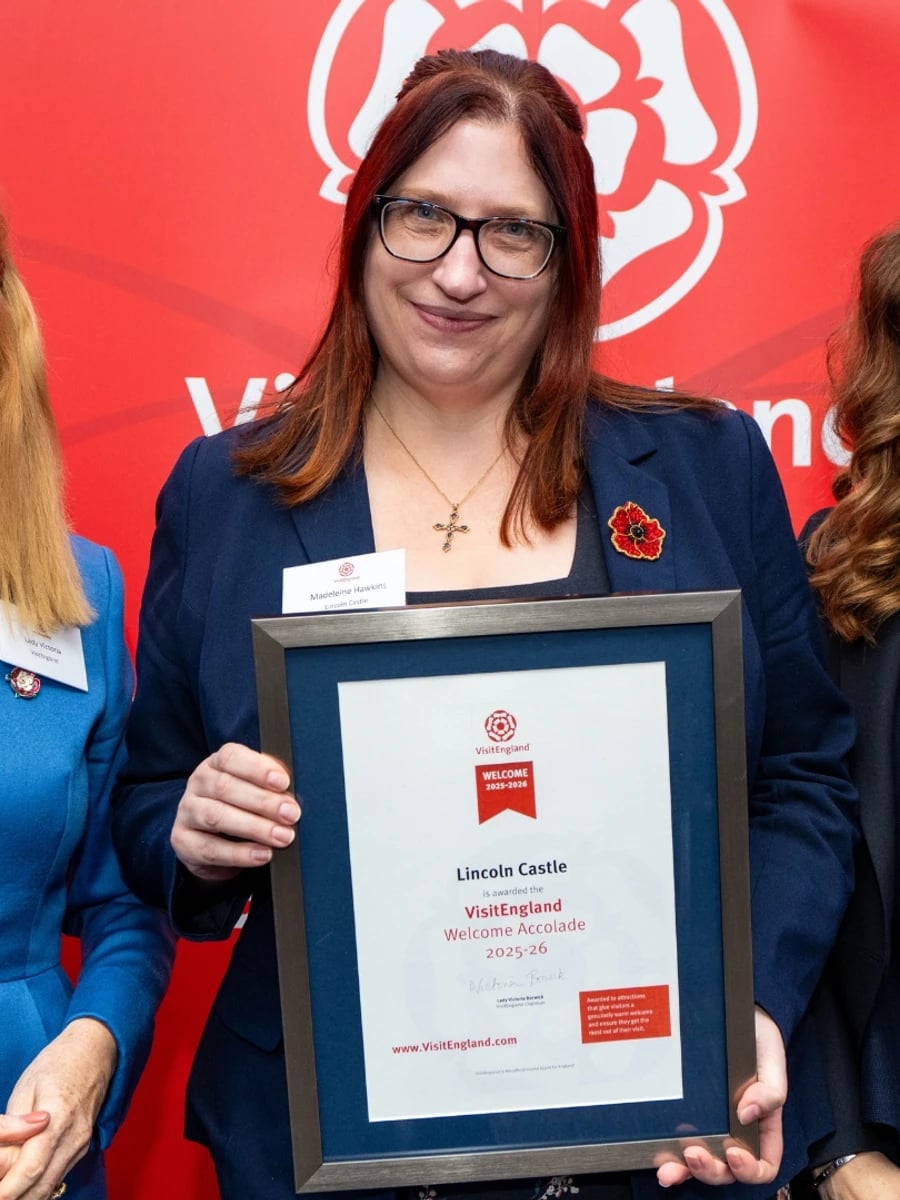
Today she manages every operational side of the castle, from walls that have stood for more than 950 years to the headline concerts, festivals and Christmas markets held within them. This week the castle received VisitEngland's national Welcome Award, following last year's Gold Accolade, and the assessor singled out its staff and volunteers. It's clear from the interview Kimberley is incredibly proud of her team and the continued success of such an important landmark for Lincoln.
I've always loved history. I had some brilliant history teachers at school who were fantastic storytellers, and I remember being completely gripped by the people, places and events they brought to life.
Growing up, our family holidays often revolved around exploring somewhere new. We'd visit historic places, landmarks and all sorts of interesting places along the way. Looking back, I think that curiosity about places and the stories behind them was there from quite an early age.
I went on to study archaeology at university, so a career in heritage probably wasn't entirely surprising, although I certainly didn't have a grand plan!
I joined Lincolnshire's Heritage Service in 2004, and I don't think I could have imagined then just how varied a career in culture and heritage could be, or the opportunities it would open up.
Lincoln Castle certainly wasn't part of the plan, but I've always been someone who's curious about what's possible and where an opportunity might lead.
I remember immediately feeling that this was somewhere special. The sheer scale of the place, the history, that almost tangible sense of the past. It's difficult to walk through the gates and not feel something.
I could see how much potential there was to bring all of that to life. Here was this extraordinary place, with nearly a thousand years of stories, and an immense opportunity to help more people discover and experience them.
The Castle was a very different place in 2008, and I don't think any of us could have fully imagined how much it would change in the years that followed.
But that initial feeling of possibility has never really left me. Even now, after all these years, there are moments when I look around and am reminded just how remarkable the place is.
It was an extraordinary opportunity and probably one of the most formative experiences of my career.
The £22 million Lincoln Castle Revealed project fundamentally changed what the Castle could offer. We opened up the Medieval Wall Walk, transformed the Victorian Prison and created a new home for Magna Carta.
But the challenge wasn't simply delivering a capital project. We were effectively creating a new visitor attraction within a place that had existed for centuries.
You can invest millions in buildings and infrastructure, but you still need to create the experience, build the teams, develop audiences and establish a sustainable operation around it.
I learnt a great deal through that process, particularly about the relationship between investment, people, and long-term outcomes.
Today, the Castle welcomes hundreds of thousands of people into its grounds, hosts major cultural events and makes a significant contribution to Lincoln's visitor economy.
It's a very different place from the one I joined in 2008, and I'm proud to have helped shape that transformation and what has followed.
One of the most exciting changes over the years has been opening up the Castle to experiences that people might never traditionally have associated with a historic monument.
We've hosted everything from football and comedy to food festivals and headline concerts. It's a wonderfully varied programme, and I think that's part of what makes the Castle so interesting.
One of the things I've learnt is just how important partnerships are. You need people with ideas, expertise and ambition, and you need to build enough trust to explore what might be possible together.
A castle isn't the easiest place to deliver a major event. There are practical challenges, conservation considerations and often a fair amount of creative problem-solving involved.
I've always enjoyed that side of things. Not starting with all the reasons something might be difficult, but asking what it would take to make it work.
I think what we've demonstrated is that you don't have to choose between being a historic attraction and a contemporary cultural venue. Done thoughtfully, the two can complement each other brilliantly.
It's always a balancing act, and not necessarily an easy one. The starting point is that Lincoln Castle is a nationally significant monument that we have a responsibility to protect. That has to underpin the decisions we make.
Some ideas sound fantastic until you start considering how you might actually deliver them within a medieval castle!
There are questions around historic fabric, ground conditions, access, infrastructure and safety that simply don't arise in conventional venues.
And sometimes the answer has to be no, or at least not in the way something was originally imagined.
But I don't think our default position should be to ask why we can't do something. I'm much more interested in understanding what it would take to make an idea possible, safely and responsibly.
The Castle has survived for nearly a thousand years because successive generations have found different purposes for it.
Our job is to respect its history while making sure it continues to have a meaningful place in contemporary life.
Tourism has been enormously important to Lincoln, and I think it will continue to play a significant role in the city's future.
We're incredibly fortunate to have two internationally significant heritage landmarks, but Lincoln's appeal is about much more than its individual attractions.
It's the combination of its history, character, cultural offer, independent businesses and the experiences people have here that makes it distinctive.
The visitor economy supports jobs, businesses and investment, and it's important that we recognise its economic contribution.
But I think there's an opportunity to look at it through a slightly different lens.
We often talk about tourism in terms of attracting more visitors, encouraging them to stay longer and increasing what they spend. Those things absolutely matter, but I think there's an important step before that.
How do the people who live here feel about the place they call home?
Do they feel connected to it? Do they understand what makes it distinctive? Are they proud of it?
Because the people who live and work somewhere can be its most powerful ambassadors.
I think there's a real opportunity for Lincoln to take a more confident, joined up approach to its visitor economy, bringing together heritage, culture, hospitality, businesses and communities around a shared understanding of what makes the city special.
And that isn't just about marketing. It's about the experiences we create, the opportunities we develop and the way the different parts of the city work together.
Ultimately, a successful visitor economy shouldn't just create a great place to visit. It should help make Lincoln an even better place to live, work and belong.
That's a difficult one, because I've been fortunate to work with some brilliant people throughout my career, and I wouldn't want to single out just one.
I've had people who've encouraged me to take opportunities, challenged my thinking and given me the confidence to try something different. But I've also learnt an enormous amount from working with people who approach things from completely different perspectives, particularly those with commercial and creative backgrounds.
One of the biggest lessons for me has been the importance of relationships and networks. Very little of what we achieve happens in isolation. Whether it's developing a new idea, delivering a major project or overcoming a challenge, it's often the people you can bring together who make the difference.
There are quite a few, although some of the things I'm proudest of aren't necessarily the most visible.
Being part of the Castle's transformation and reopening was an enormous privilege. Seeing years of planning and investment become a reality, and watching people experience the place in entirely new ways, was incredibly rewarding.
But I think I'm just as proud of what we've achieved since. There's a tendency to view the completion of a major capital project as the end of a journey. In reality, it's the beginning of another.
We've continued to develop the Castle's offer, introduce new experiences, attract different audiences and establish it as a major cultural destination. And this year, we've received VisitEngland's national Welcome Award, following last year's Gold Accolade.
What makes this year's award particularly meaningful is that the independent assessor singled out our staff and volunteers as a standout strength, describing the standards of visitor care and engagement as exemplary.
There have been quite a few, but the Live at Lincoln Castle concerts have given me some particularly memorable moments.
There's something extraordinary about standing within those medieval walls, surrounded by thousands of people enjoying live music, and thinking about everything that space has witnessed over nearly a thousand years.
But what really brings home the value of those experiences is hearing people's stories afterwards.
I remember hearing about someone who'd travelled from Shetland, attended three concerts and left saying how much they loved Lincoln.
That really stayed with me.
They came because of the music, but they left with a connection to the city.
I find that incredibly rewarding.
I think what excites me most is how much potential there still is, and how we might approach things differently over the next 20 years.
Lincoln has extraordinary heritage, a strong cultural offer, brilliant independent businesses and people who are passionate about the places they live and work. There's an enormous amount to build on.
I've learnt throughout my career that some of the best things happen when people from different organisations and backgrounds come together, bringing different ideas, experiences and perspectives.
And I think there's a real opportunity to take that approach further across culture, tourism and the wider development of our places.
We sometimes talk about these things as though they're separate. Culture, economic development, regeneration, tourism and communities. But in reality, they're all contributing to the same thing: the kind of places we want to create and the opportunities available to the people who live there.
I'd love to see Lincoln, and Lincolnshire more broadly, become even more confident about what makes our places distinctive, how we tell their stories and how we work together to realise their potential.
For me, that's what's exciting about the next 20 years. Not simply what individual organisations or attractions might achieve, but what we could accomplish collectively.
I've been fortunate to be involved in some significant changes over the past two decades, and I'd love to play a part in shaping what comes next.